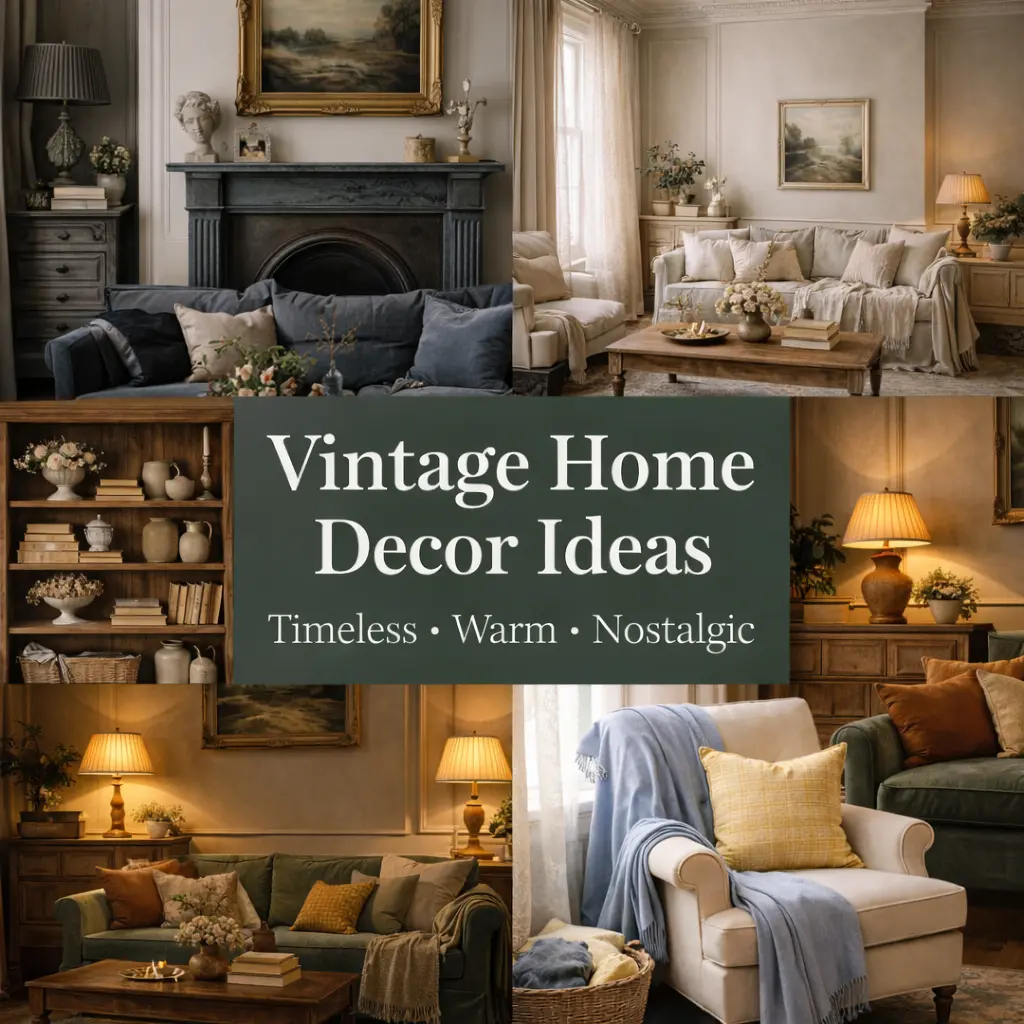
Vintage home decor brings warmth, nostalgia, and personality into a space in a way that modern design often cannot. It celebrates history, craftsmanship, and the beauty of objects that feel lived-in rather than mass-produced. A vintage-inspired home feels layered, emotional, and timeless. It tells a story instead of following a trend.
Many people are drawn to vintage home decor because it slows the energy of a room. Instead of sharp modern lines and cold surfaces, vintage interiors feel soft and human. They mix textures, eras, and materials in a way that feels collected naturally over time. Even a modern apartment can carry this charm when styled thoughtfully. Vintage decor is not about copying the past exactly. It is about borrowing its warmth and blending it into modern life.
A vintage home feels grounded. It reminds people of places where time moves slower and comfort matters more than perfection.
1. Build a Warm, Faded Color Palette
Color is the emotional base of vintage home decor. The palette should look like it has softened gently with age. Think cream walls warmed by sunlight, dusty rose fabrics, muted sage green furniture, and faded blue accents that feel calm rather than bright.
Vintage colors should never feel glossy or artificial. They should look slightly worn in the best way, as if they have absorbed years of light. This softness creates comfort. Rooms painted in warm neutrals and faded tones feel safe and inviting, while harsh modern colors create tension.
Layering subtle shades within the same family adds depth. A beige wall, tan upholstery, and warm wood flooring work together without contrast shock. Vintage interiors thrive on harmony rather than drama.
A gentle palette allows furniture and decor to feel like part of the room instead of competing with it.
2. Choose Furniture With Character and History
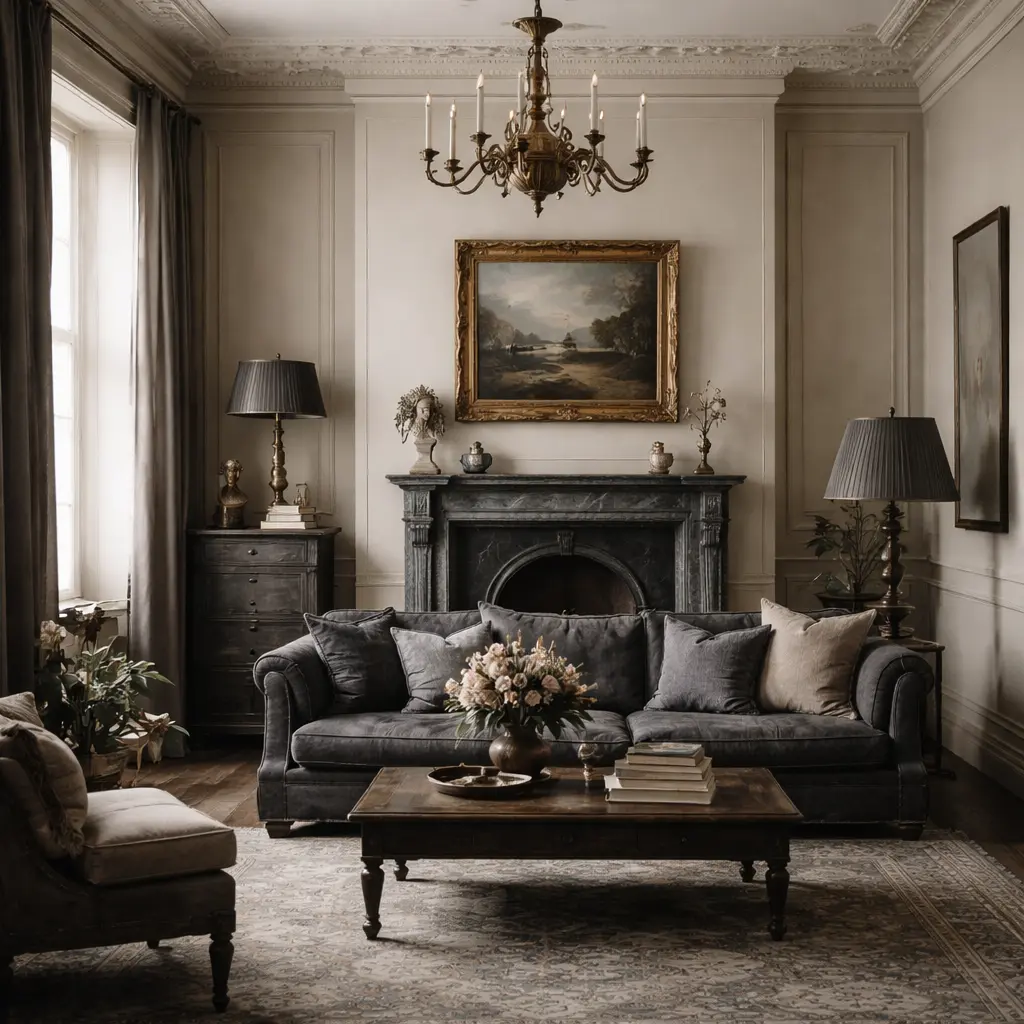
Furniture is the backbone of vintage home decor. Pieces should look like they have lived a life. A slightly worn wooden dresser, a curved-back chair, or a table with visible grain adds authenticity that modern factory furniture cannot replicate.
Vintage design favors craftsmanship over perfection. Hand-carved details, aged finishes, and sturdy construction give furniture emotional weight. These pieces anchor a room and make it feel stable.
Mixing eras is not only acceptable but encouraged. A mid-century lamp beside a farmhouse table adds contrast while still feeling cohesive. Vintage spaces feel curated, not purchased all at once.
When furniture carries history, a room feels rooted instead of temporary.
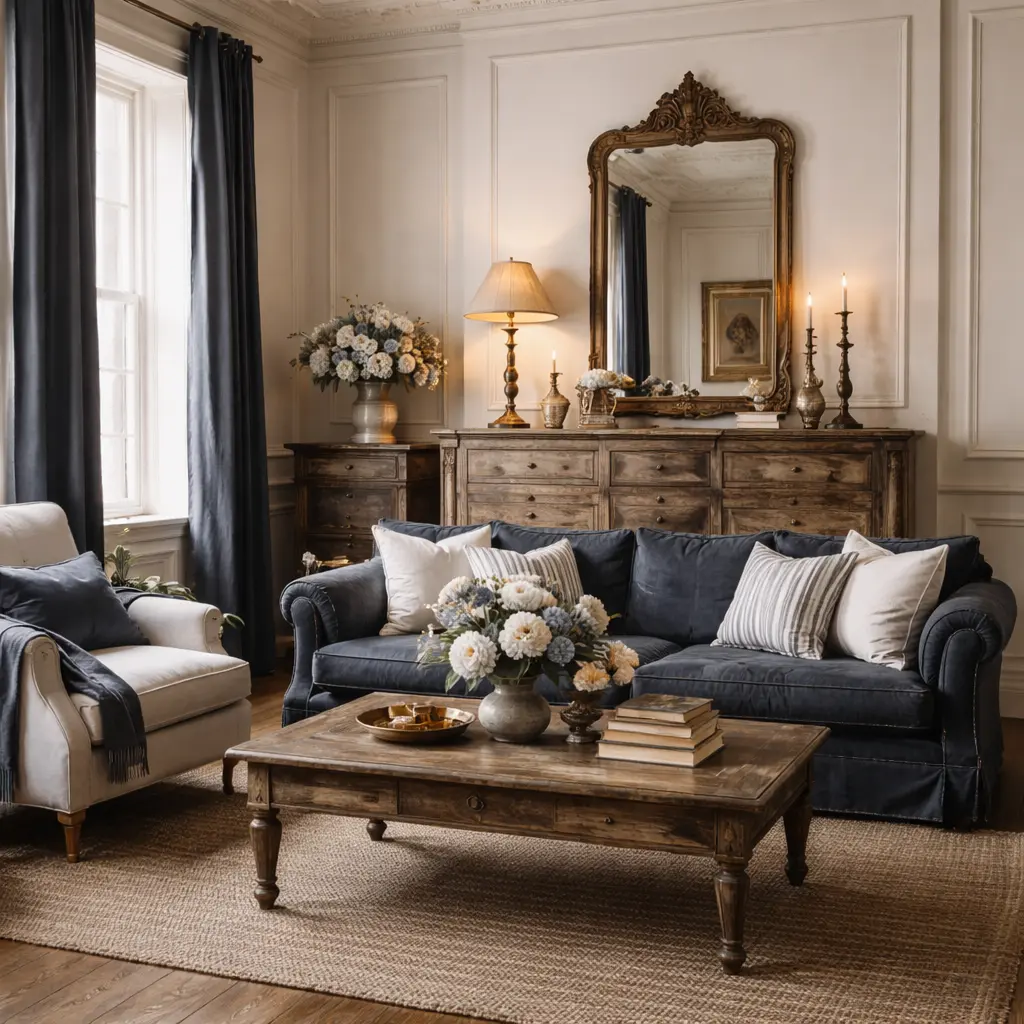
3. Layer Textiles for Softness and Depth
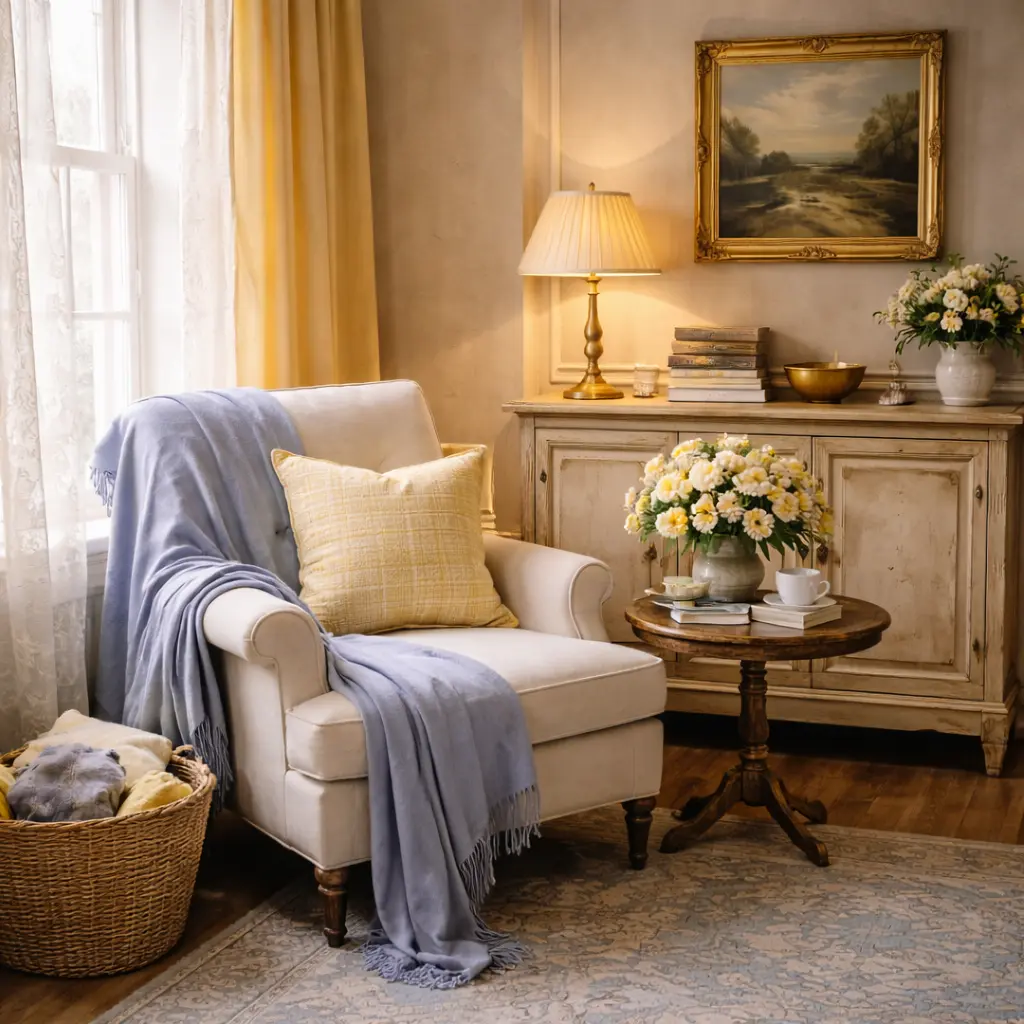
Textiles bring emotional warmth into vintage home decor. Floral prints, lace curtains, embroidered pillows, and woven throws soften the edges of furniture and walls. Fabric is what turns a decorated space into a comfortable one.
Vintage layering should feel gentle rather than heavy. A floral pillow, a soft cotton blanket, and a neutral rug create richness without clutter. Patterns should look timeless faded florals, delicate stripes, and traditional prints feel nostalgic instead of trendy.
Natural fabrics breathe better visually and physically. Linen and cotton catch light softly, making a room feel airy even when layered.
Textiles absorb sound and soften light, which quietly makes a room feel calmer.
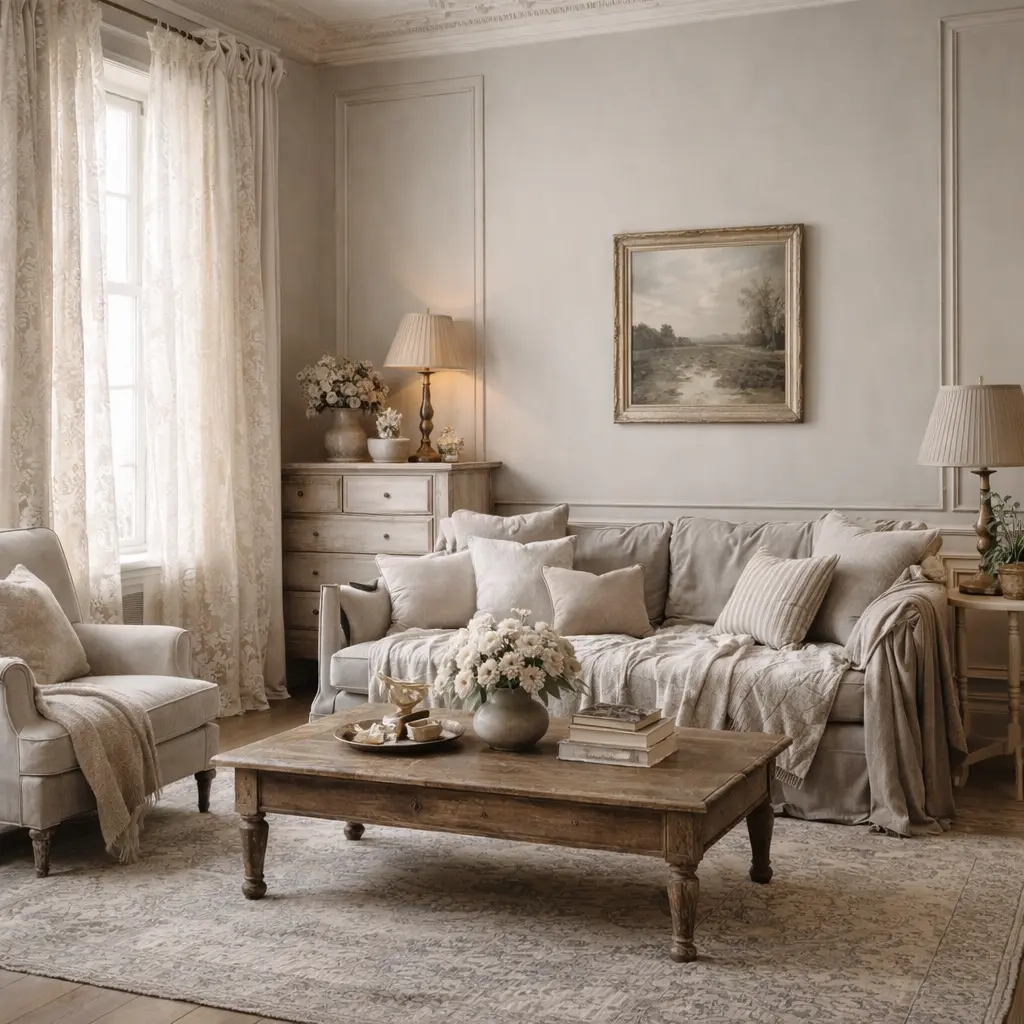
4. Decorate With Meaningful Objects
Decor should feel personal in vintage home decor. Old books, ceramic bowls, framed photographs, clocks, and small collectibles add identity to a space. These items tell stories without needing explanation.
The key is restraint. Displaying too many objects turns charm into clutter. Group decor intentionally. Leave negative space around meaningful items so they stand out.
A vintage shelf should feel like a memory display, not a storage unit. Each piece should have emotional weight. Rooms feel richer when objects are chosen for connection rather than trend.
Meaningful decor transforms a house into a home.
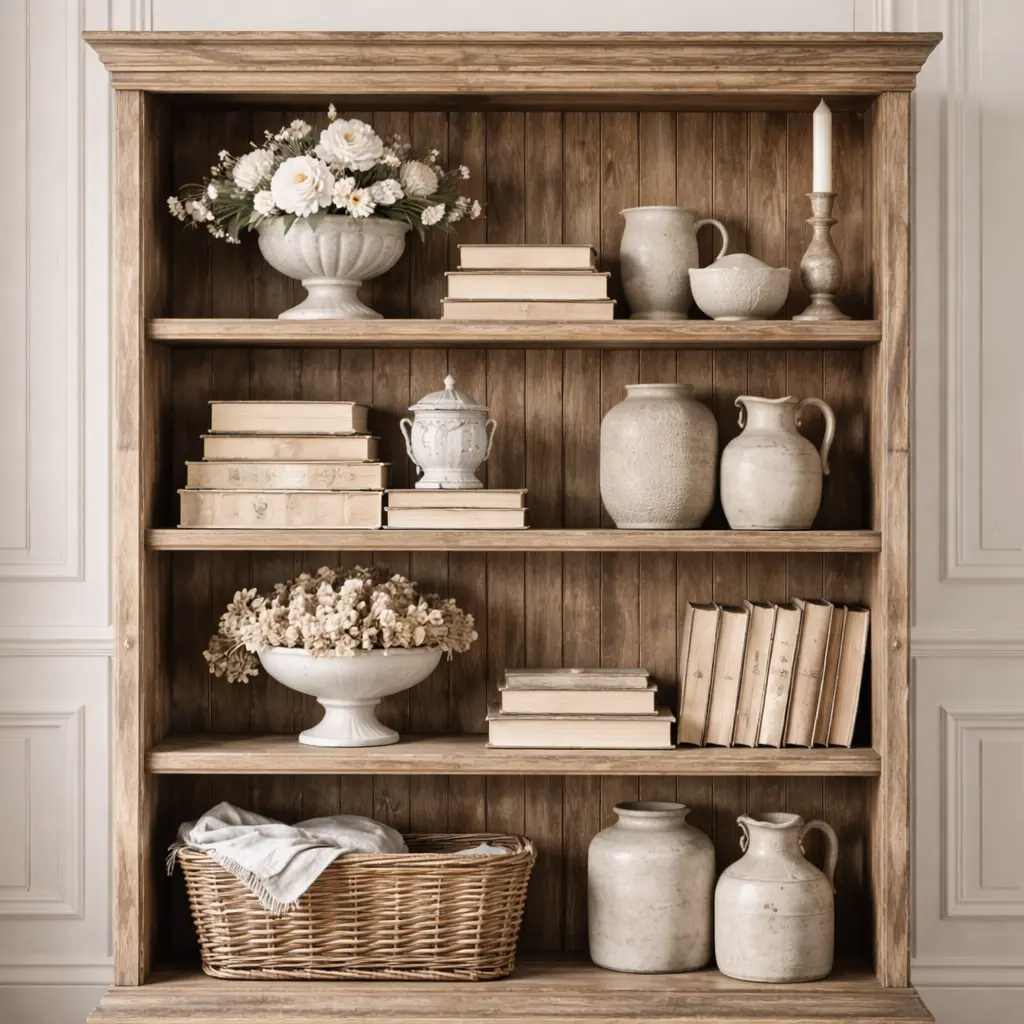
5. Add Natural Elements for Balance
Vintage interiors can feel heavy if they rely only on aged objects. Natural elements bring freshness and balance. Plants, dried flowers, woven baskets, and wooden textures reconnect the room with nature.
Fresh greenery prevents vintage decor from feeling frozen in time. A simple plant adds movement and life. Even dried flowers contribute softness and organic shape.
Nature grounds the space emotionally. It reminds the eye to rest and the body to relax.
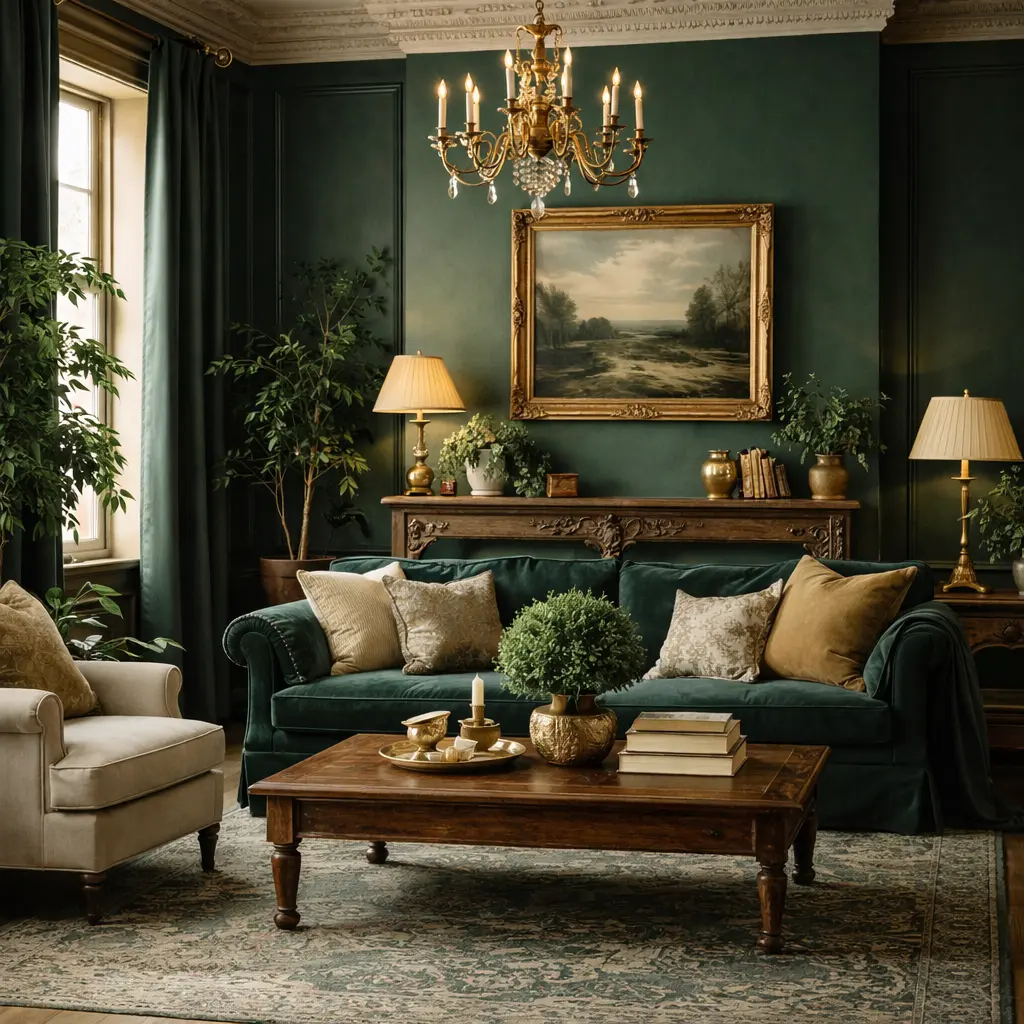
6. Use Warm Lighting for Nostalgic Atmosphere
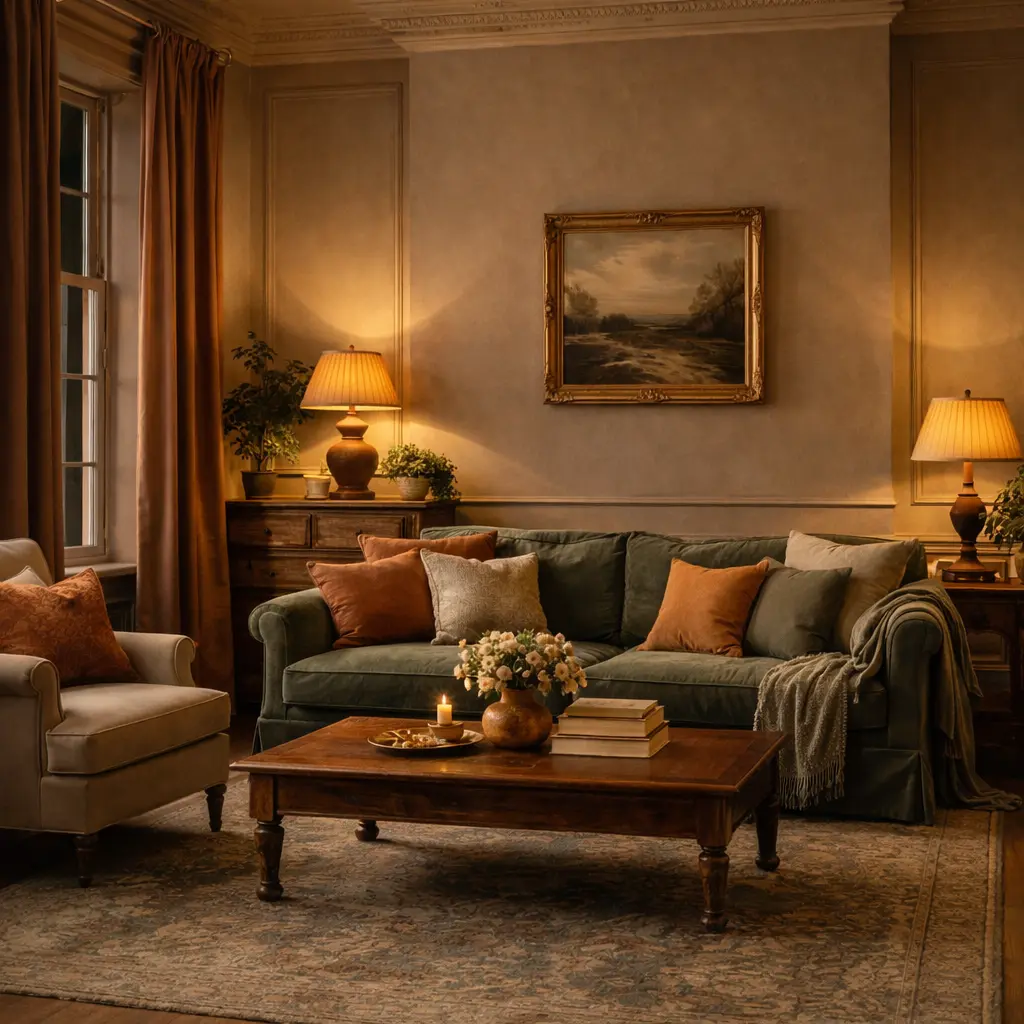
Lighting defines the emotional temperature of vintage home decor. Harsh white bulbs erase warmth instantly. Soft golden light restores it.
Use lamps with fabric shades, candle-style bulbs, and warm ambient lighting. Shadows should feel gentle. Light should look like late evening sunlight.
Vintage interiors glow rather than shine. The goal is intimacy, not brightness. Warm light enhances faded colors and aged textures, making everything feel cohesive.
A room lit correctly feels alive even at night.
7. Embrace Imperfection and Comfort
The final rule of vintage home decor is acceptance of imperfection. Rooms should feel lived-in, not staged. A folded blanket on a chair, a slightly worn rug, or an open book adds authenticity.
Perfection feels sterile. Vintage spaces celebrate use and memory. Comfort should always win over appearance.
A home that looks untouched feels distant. A home that looks loved feels welcoming.
Conclusion
Vintage home decor turns a house into a layered narrative. Through faded colors, aged furniture, soft textiles, and meaningful objects, a space becomes emotionally rich and timeless. This style is not about recreating history. It is about preserving warmth inside modern life. A vintage home feels personal, grounded, and human. When a room carries memory, it carries comfort.
Vintage design does not chase trends. It protects feeling.