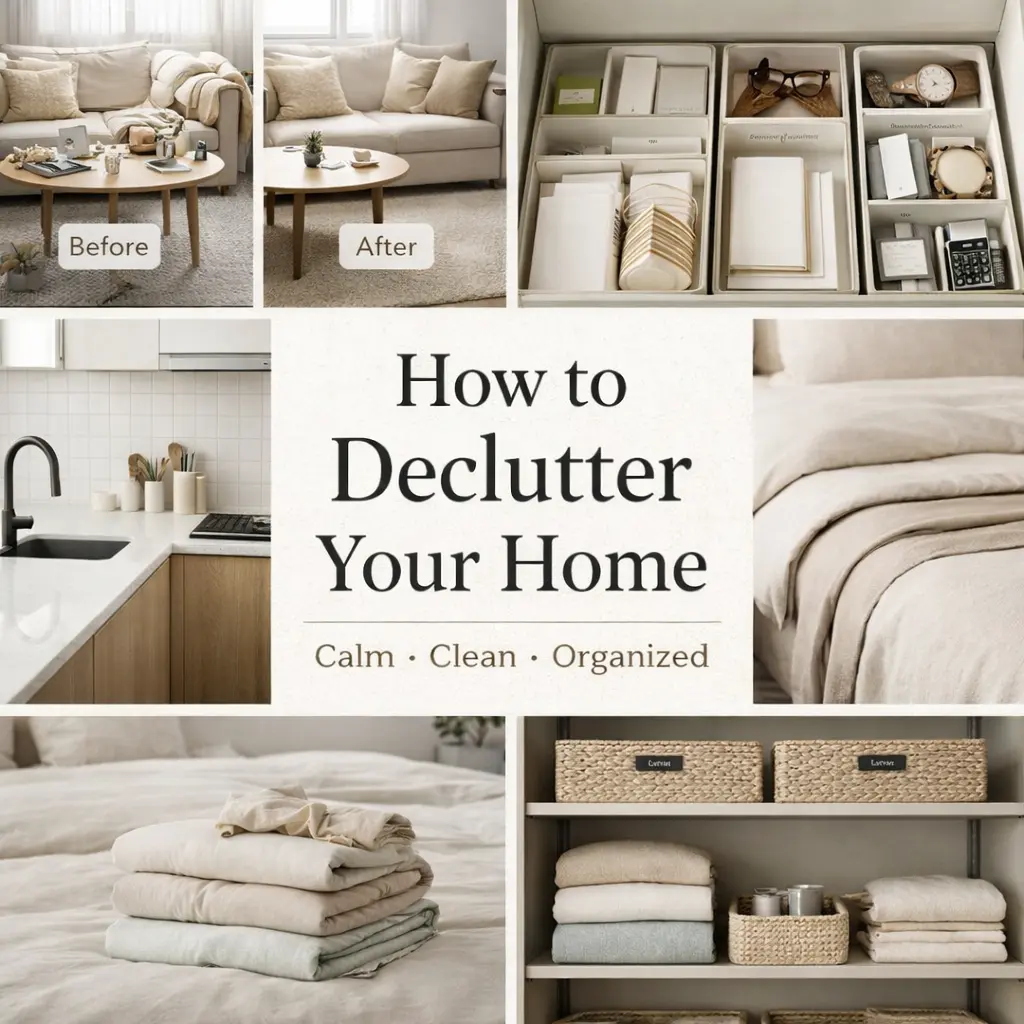
Learning how to declutter your home is less about throwing things away and more about creating space to breathe. A cluttered home quietly adds stress to your daily life. It fills your visual field, crowds your thoughts, and steals your attention without you noticing. When a space is clean and intentional, your mind feels lighter and more focused.
Many people think decluttering requires a huge weekend project, but real change that how to declutter your home happens through small consistent decisions. Decluttering is not about perfection. It is about building a home that how to declutter your home supports your life instead of overwhelming it. Whether you live in a small apartment or a full house, the process is the same: remove what you do not need and protect what truly adds value.
A decluttered home does not mean empty shelves or sterile rooms. It means every item in how to declutter your home has purpose. It means your environment works in how to declutter your home with you instead of against you.
1. Start With One Small Zone, Not the Whole House
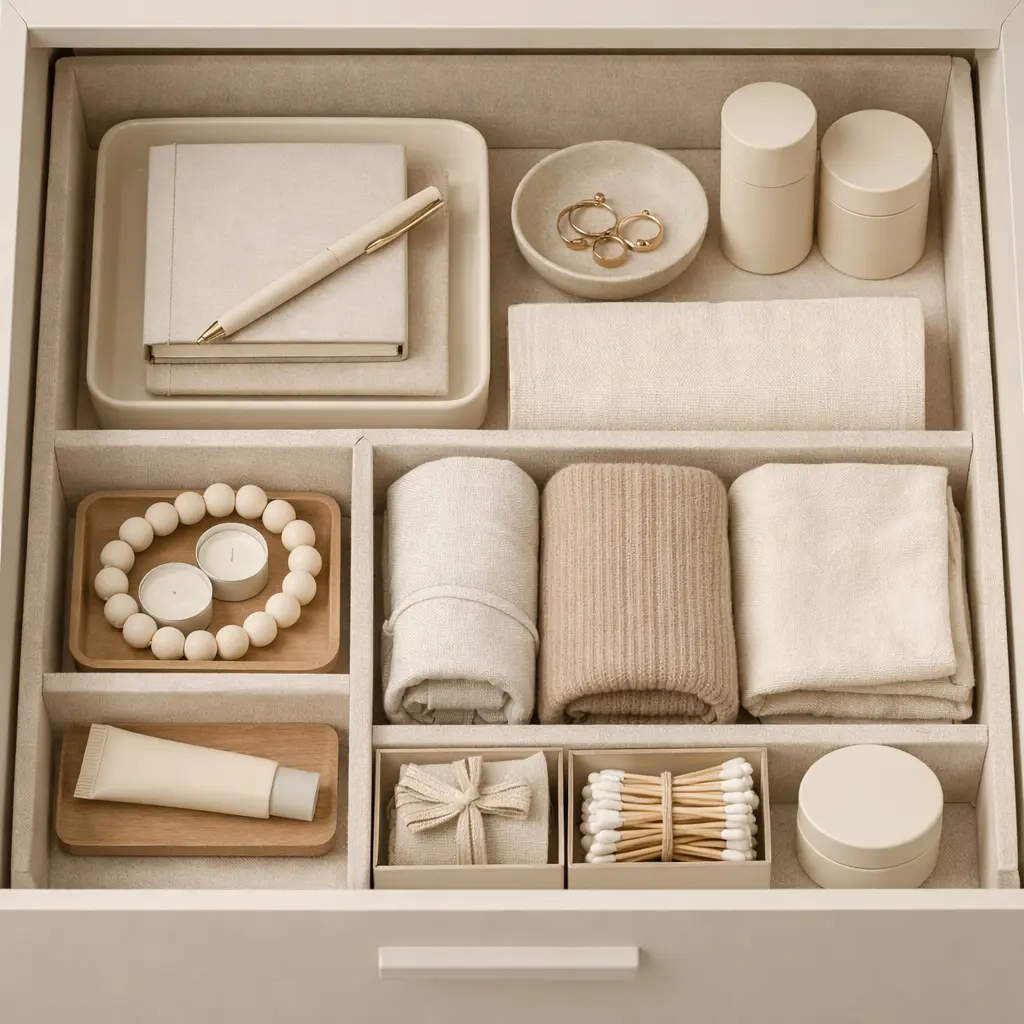
The biggest mistake people make when learning how to declutter your home is trying to fix everything at once. That approach creates exhaustion before results appear. Instead, start with one drawer, one shelf, or one corner.
When you complete a small area, you experience a quick psychological win. That success builds motivation. Decluttering becomes progress instead of pressure. A single organized space can change how to declutter your home entire room feels because your brain registers order instantly.
Choose areas you touch daily. A clutter-free entry table or kitchen counter improves your routine more than a hidden closet ever will. Small wins stack into visible change.
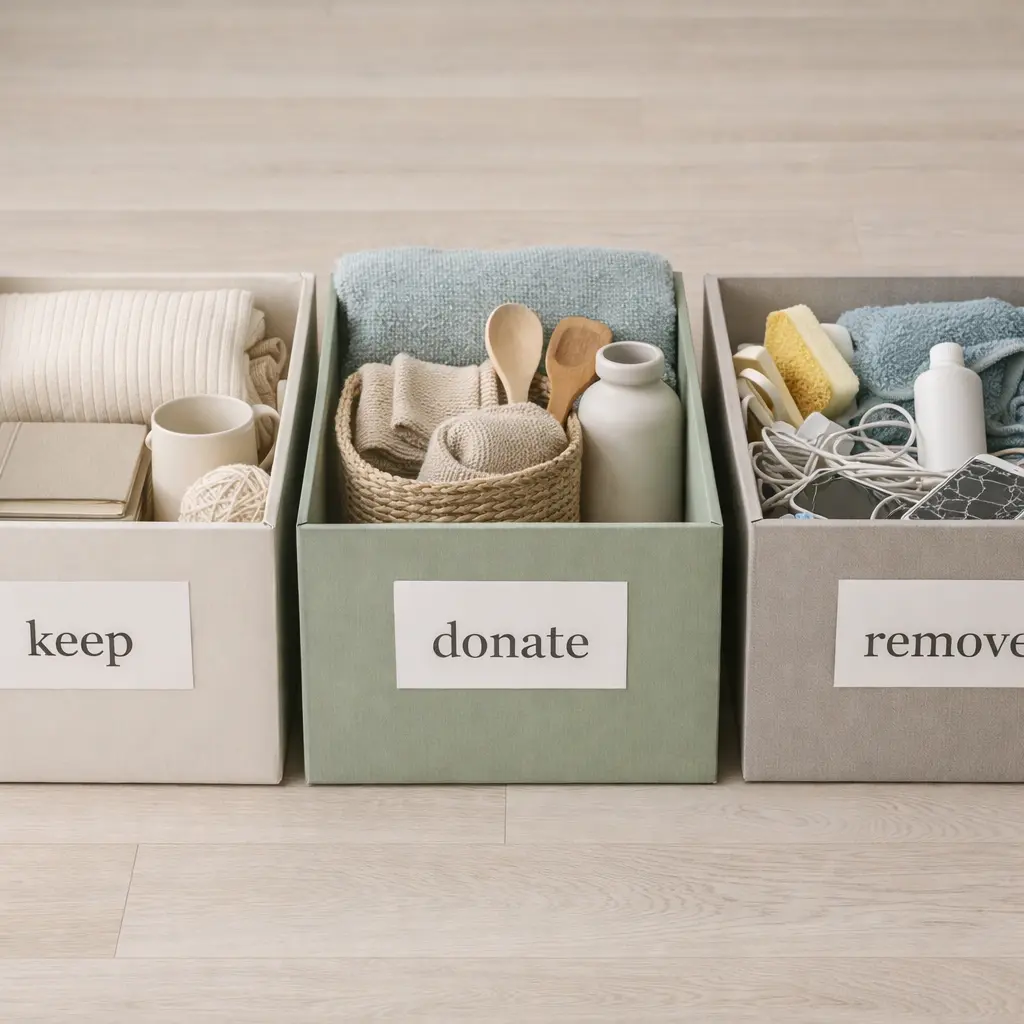
2. Use the Keep, Donate, Remove Method
Decluttering becomes easier when decisions are simple. The keep, donate, remove method removes emotional hesitation. Every object must fall into one category.
Keep only what you use regularly, love deeply, or genuinely need. Donate items that still function but no longer serve your life. Remove broken or unused objects without guilt. Holding onto things out of obligation creates invisible mental weight.
Decluttering is not wasteful when done responsibly. It is conscious ownership. Your home should not store forgotten intentions.
3. Clear Surfaces to Reset the Room
Visual clutter affects the brain faster than physical clutter. Countertops, desks, and tables quietly collect objects until the space feels heavy. Clearing surfaces instantly resets a room’s emotional tone.
Keep only essentials visible. Everything else should have a designated place. When surfaces stay open, your home feels larger and calmer. Even small empty spaces signal order to the brain.
Think of surfaces as breathing space. Empty space is not wasted space. It is mental relief.

4. Create Storage That Matches Your Lifestyle
Decluttering fails when storage fights your habits. If putting things away feels complicated, clutter will return. Smart storage should support how you naturally live.
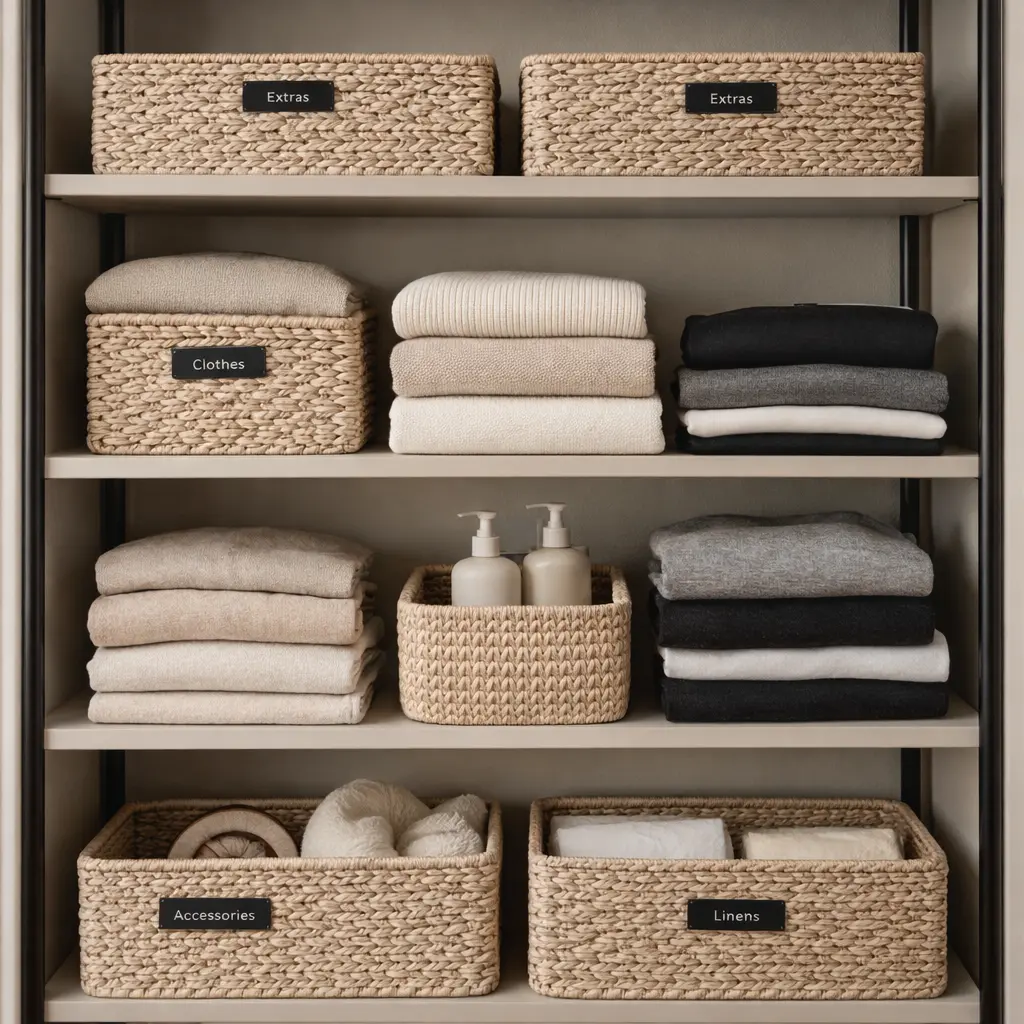
Store everyday items within reach. Hide rarely used items out of sight. Use baskets, labeled containers, and drawers to create invisible order. When storage is intuitive, tidying becomes automatic instead of forced.
Good storage does not just hold objects. It reduces decision fatigue.
5. Declutter by Category, Not by Room
Room-by-room cleaning hides duplicates. Category decluttering exposes excess. Gather similar items together: clothing, books, papers, kitchen tools. Seeing everything at once changes perception.
When duplicates appear, letting go becomes easier. Category sorting reveals how much you actually own, not how much fits inside a single room. This clarity leads to smarter choices.
Decluttering by category prevents clutter migration. Items stop moving from place to place and start leaving entirely.
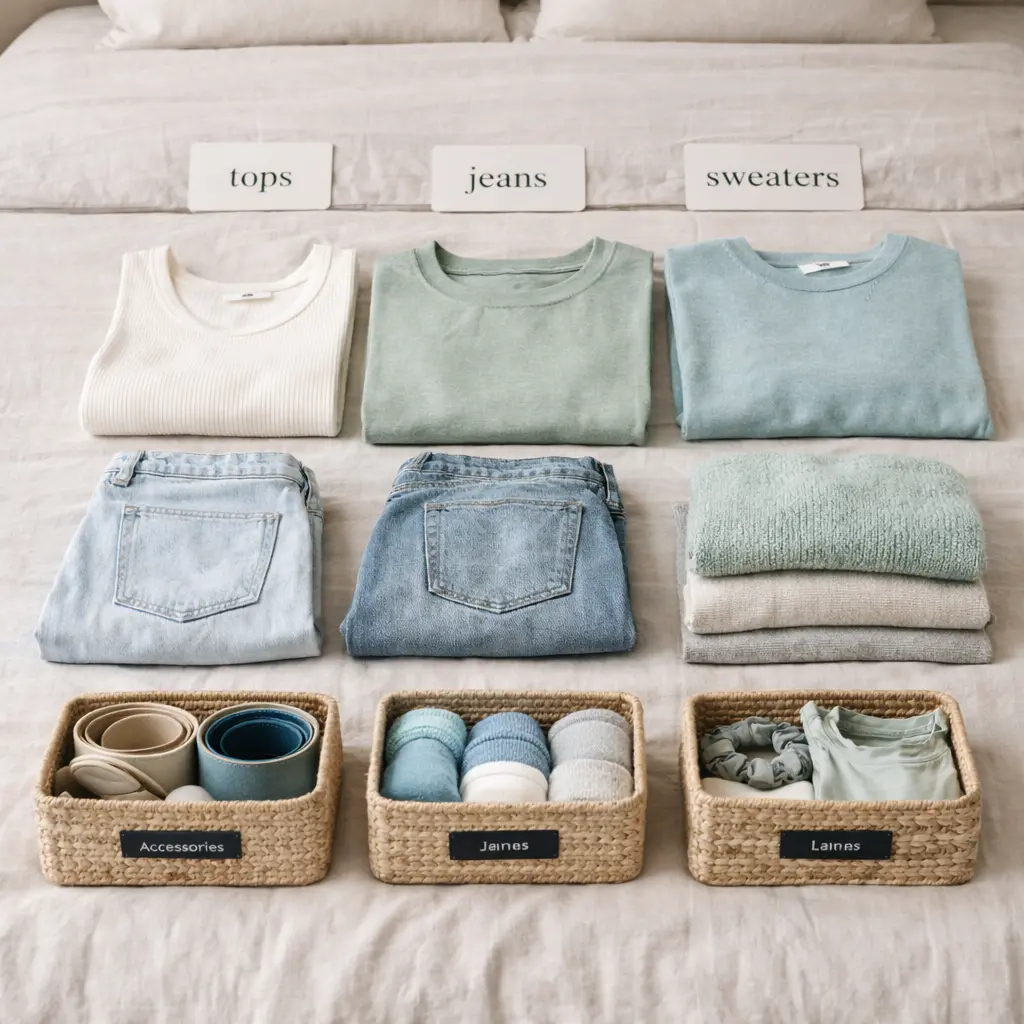
6. Release Emotional Attachment Without Guilt
Objects often represent memories, not usefulness. One of the hardest steps in how to declutter your home is emotional release. Gifts, old purchases, and sentimental items create hesitation.
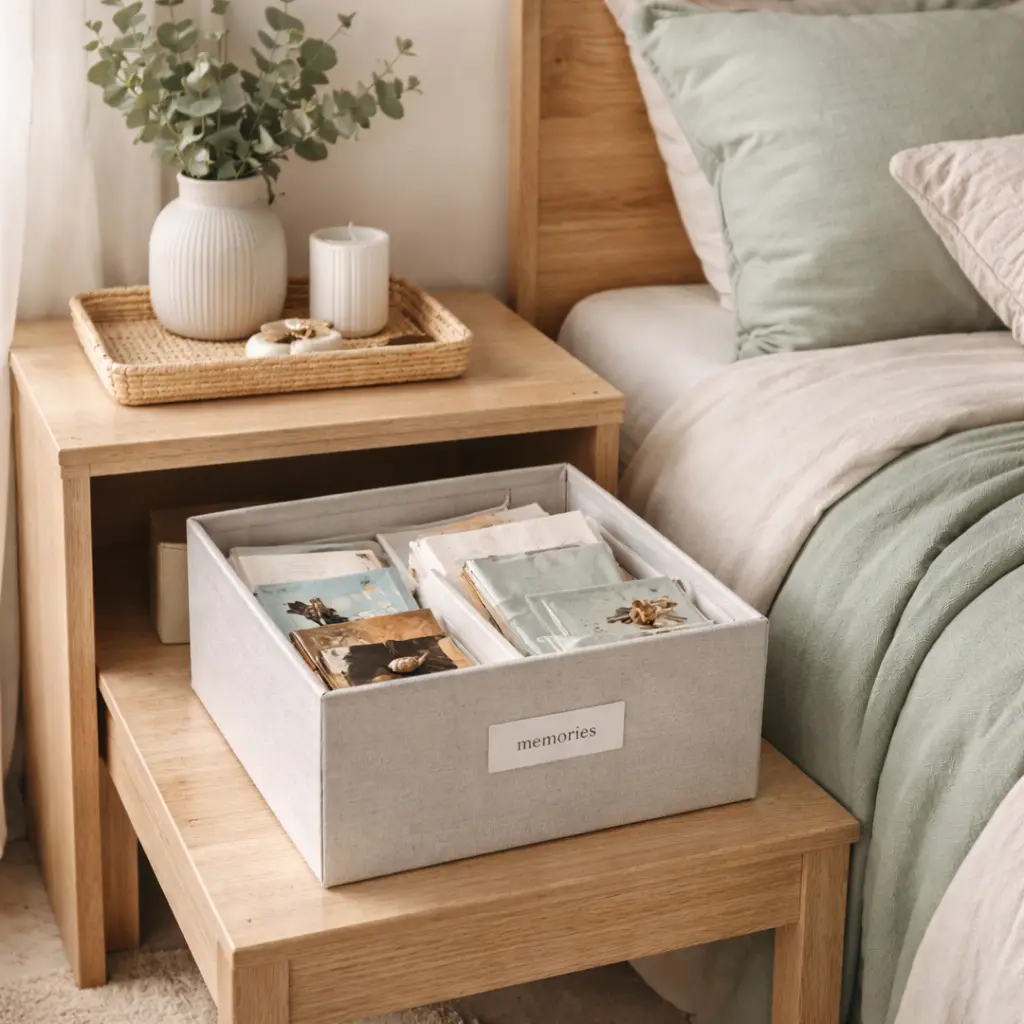
Keep a small memory box. Photograph sentimental objects. Preserve the story, not the clutter. A peaceful home is more valuable than storage filled with guilt.
Letting go is not disrespecting the past. It is protecting your present environment.
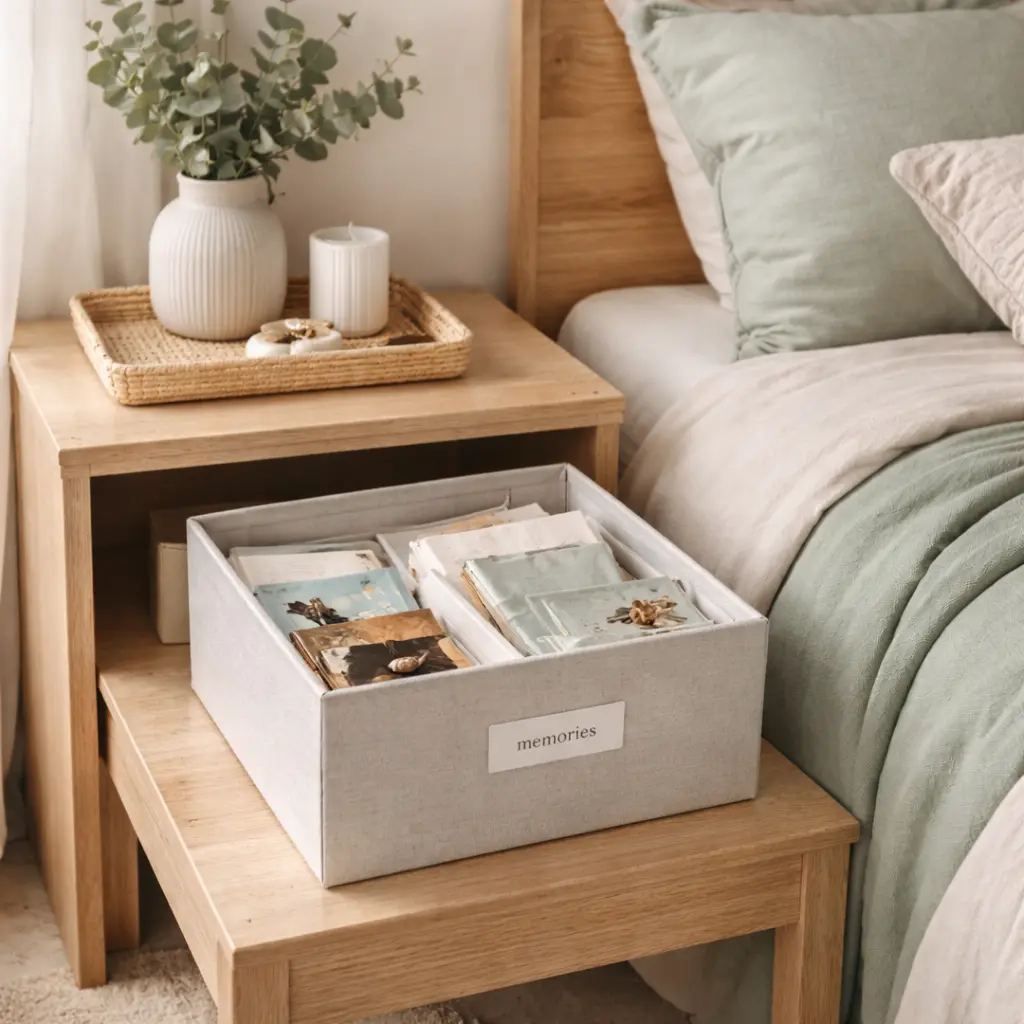
7. Build a Daily Reset Routine
Decluttering is not a one-time project. It is a maintenance habit. Once your space is lighter, protect it with small daily resets.
Spend five minutes clearing surfaces. Return objects before sleeping. Fold blankets. Reset entry areas. These micro-actions prevent clutter from rebuilding.
Consistency is easier than starting over.
8. Decluttering Improves Mental Health
A decluttered home does more than look good. It reduces stress hormones. It improves focus. It increases sleep quality. Research consistently links organized environments to emotional stability.
When your surroundings are calm, your nervous system follows. You make decisions faster. You feel less overwhelmed. Decluttering is a form of self-care disguised as cleaning.
A lighter home leads to a lighter mind.
Conclusion
Understanding how to declutter your home is really understanding how you want to live. A clean space is not about appearance. It is about emotional freedom. Every object removed creates room for clarity.
Decluttering is not about owning less for the sake of minimalism. It is about owning what supports your life. When your home feels light, your mind follows.
A peaceful home is one of the greatest investments in daily well-being.